
Vietnamese national culture is not a concept that rests in museums or old pages. It is a vivid flow, creeping into each lifestyle, dress and especially in the culinary taste of Trang An people. When it comes to the sustainability of core values, we often return to Thang Long Citadel, where the quintessence of thousands of years of civilization is converged, where each brick, each dish tells a story about identity.
1. The flow of history and the formation of Vietnamese national cultural identity
The history of the Vietnamese people is associated with the construction and protection of sovereignty, but at the same time, the process of fostering a culture of self-control and pride. From the period when the Hung Vuong founded the country to the brilliant dynasties like Ly, Tran, Le, the Vietnamese national culture has formed unmistakable features: patriotism, solidarity and hospitality.
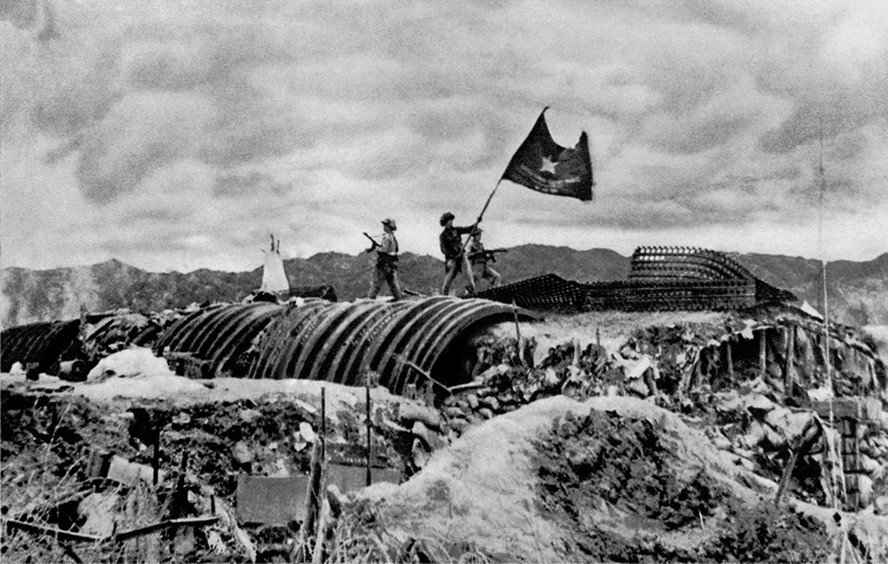
During that length, Thang Long Citadel acted as a “heart” to regulate cultural blood. Under the Ly dynasty, moving the capital to the land of “sitting dragons and tigers” was not only a political decision but also ushered in the era of the strongest revival of Vietnamese national culture. Here, the palace architecture blends with folklore, creating an elegant aesthetic standard that we still see somewhere in the wooden houses, the brown tile roofs of Hanoi today.
2. Mental spirit and philosophy of home in modern life
It is often said that “It is neither fragrant nor fragrant, not even the people of Trang An”. This elegance is an important branch in the ancient tree of Vietnamese national culture. For the ancient Vietnamese, especially the people of the period, the maintenance of “home” is the top priority. Homework is not only a code of conduct between generations but also how people interact with living space.
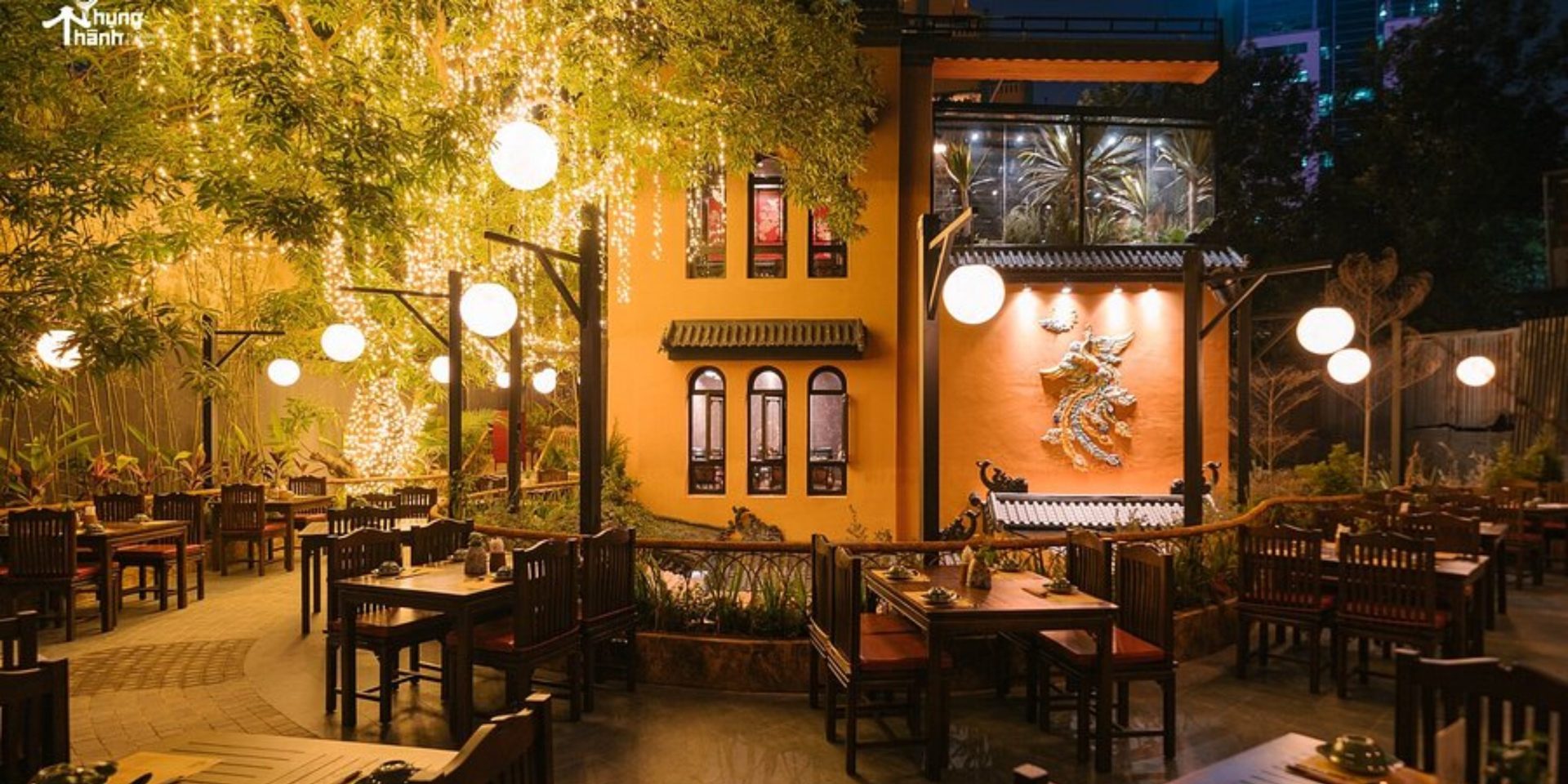
In the hustle and bustle of the 21st century, finding a silence bearing the breath of the old Thang Long became an essential spiritual need. There are spaces like Phung Thanh at 3 Nguyen Binh Khiem, although located in the heart of a modern city, but still steadfastly recreating that national pride spirit through cozy wooden architecture and decorative details inspired by the Ly dynasty. This is not a copy of the past, but how we talk to our ancestors, keeping the Vietnamese national culture always present in daily life.
3. Northern cuisine and the art of “eating well” of the ancients
If culture is the soul, cuisine is the most vivid part of Vietnamese national culture. Vietnamese people not only eat to be full, but also eat to enjoy the quintessence of seasonal heaven and earth. In particular, the old Hanoians are famous for their “good food”.
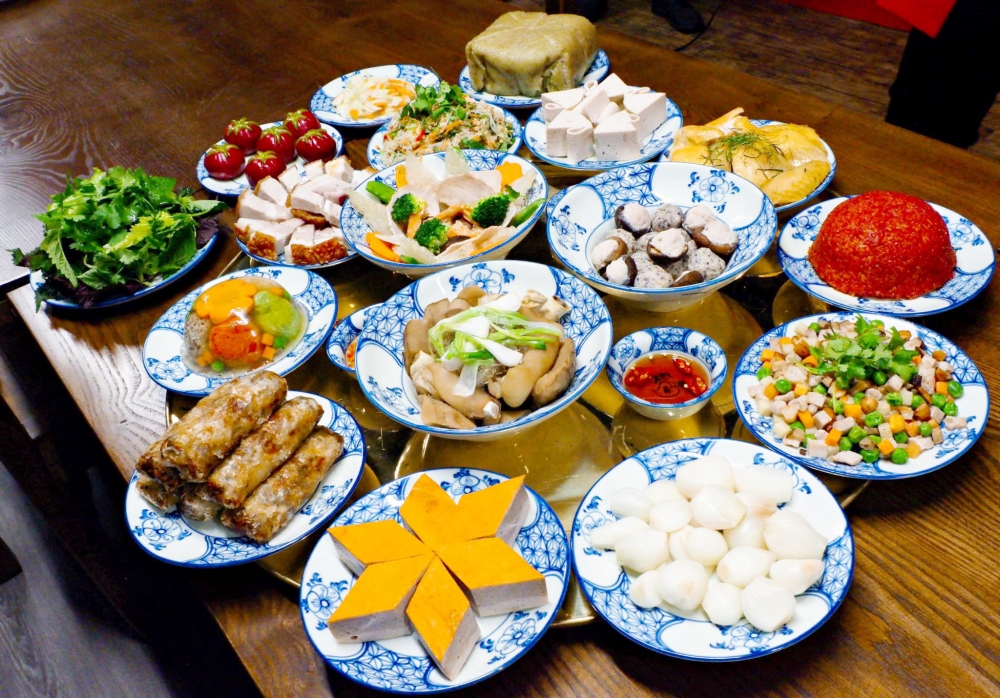
The “keep” here starts from the selection of ingredients “wake up every season”. In March, you eat fish, eat fish in September, or in summer, you crave the sour taste of young crocodile. The sophistication is also in the meticulous processing stage, the broth must be clear, the seasoning must balance the yin and yang. A bowl of bananas or a plate of silkworm pupae roasted with lemon leaves is rustic, but it is a testament to the sophistication of your father’s taste.
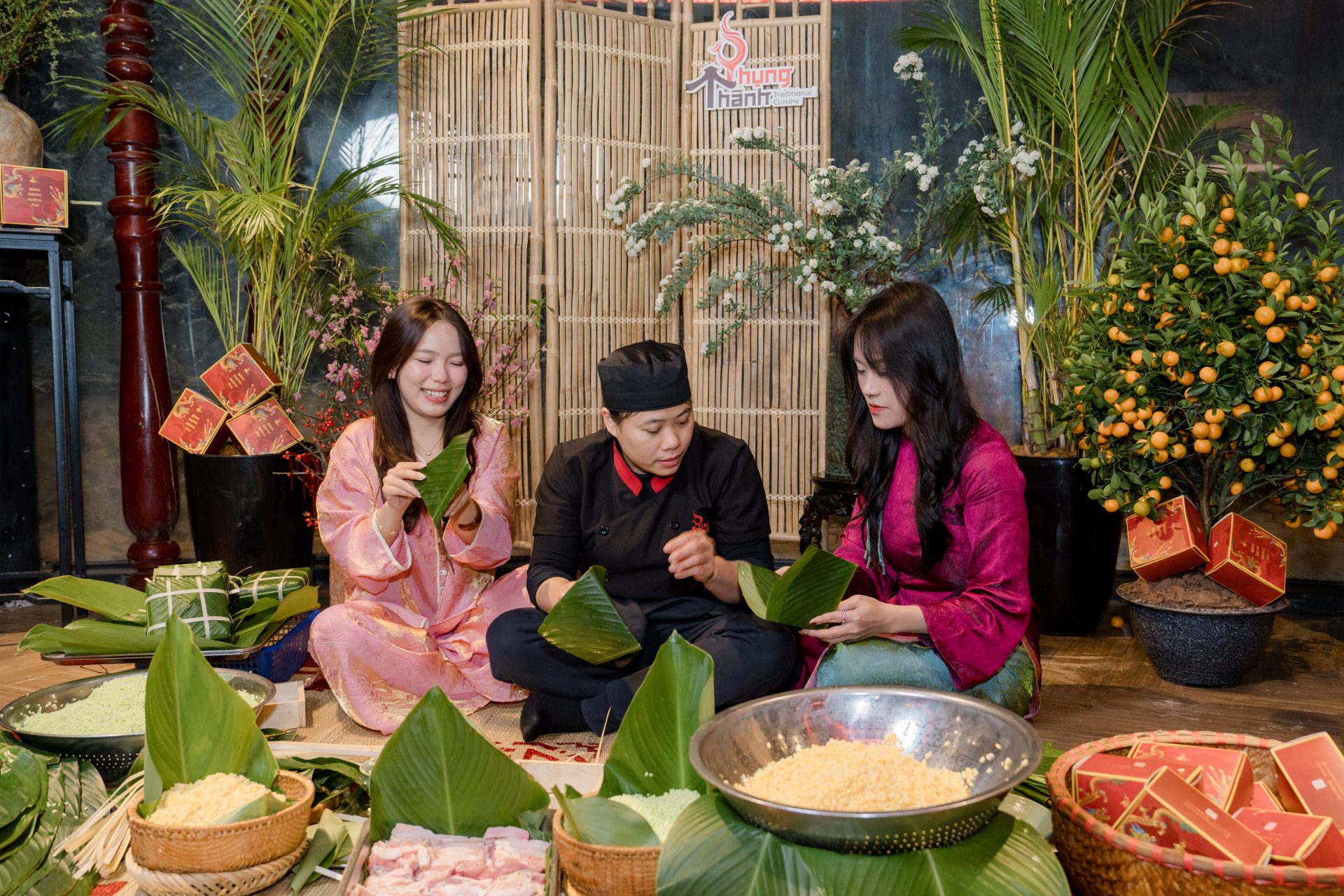
In the kitchens that are always on fire like in Phung Thanh, this “eat well” philosophy is still preserved as a heirloom. Each fragrant sticky rice grain, each green dong leaf in the cake-wrap workshops is a bridge to stretch memories, helping the young generation understand that the Vietnamese national culture is right in their hands, in the taste of the homeland that mother and grandmother have taught.
4. Traditional workshops and journeys to pass on heritage for the young generation
A culture can only survive if it is inherited. Currently, many young people are tending to return to the original values. Cultural experiences such as wrapping banh chung, making folk cakes or learning about traditional costumes are becoming a positive trend.
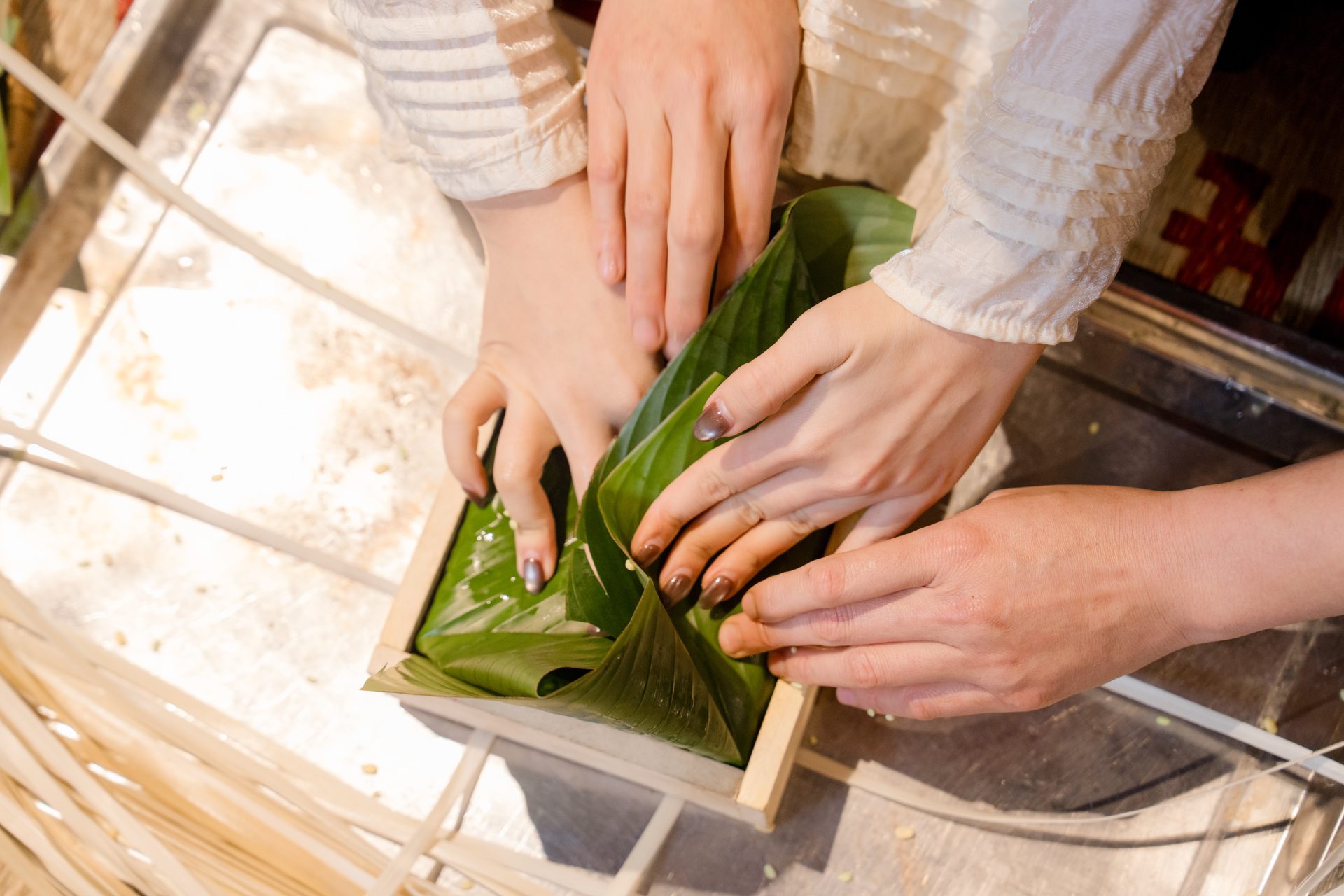
Vietnamese national culture through practical activities becomes closer than ever. Instead of just reading through books, hand-knitting a knot, and feeling the plasticity of glutinous rice by hand helps young people form an emotional connection with the source. Weekend family reunions at cultural spaces are not only for dining, but also for grandparents to tell their children and grandchildren about old stories and why Vietnamese people respect politeness and reunification. That is the most sustainable way for Vietnamese national culture not to be dissolved in the wave of globalization.
5. The value of family cohesion in the Vietnamese mind
The most solid pillar of Vietnamese national culture is the family. In the minds of every Vietnamese citizen, family meal It is a symbol of reunion and love. No matter where you go, the image of a round rice tray with a bowl of dipping sauce placed in the middle is always the most emotional image.
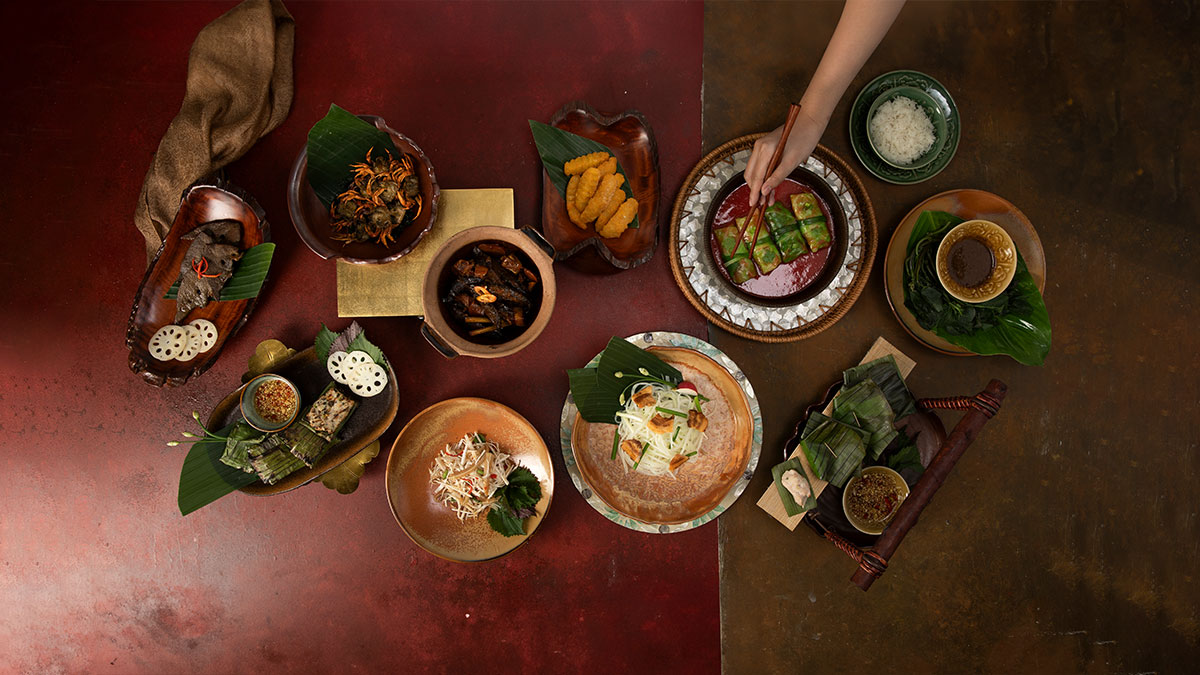
This connection is not only about the living but also the connection with the ancestors. Maintaining etiquette customs, choosing a cozy place with traditional colors for the whole family to gather every weekend is a meaningful way of practicing Vietnamese national culture. In the midst of the space bearing the imprint of the North, the laughter of children and the story of the elderly create a peaceful picture, where the heritage is transferred in the most natural and strong way.
Conclude
Vietnamese national culture It is an invaluable asset that each of us has the responsibility to preserve. No matter how the world changes, the values of national pride, elegance in lifestyle and love for the source will forever be the guideline for each person. Let’s cherish the heritage spaces, traditional dishes and family moments together, because that’s how we nurture the soul of this nation.
Don’t forget to follow Phung Thanh Restaurant to update more useful information: